The Seven Stories of Your Life
This remarkable and monumental journey at last provides a comprehensive answer to the age-old riddle of whether there are only a small number of ‘basic stories’ in the world. Using a wealth of examples, from ancient myths and folk tales via the plays and novels of great literature to the popular movies and TV soap operas of today, it shows that there are seven archetypal themes which recur throughout every kind of storytelling.
But this is only the prelude to an investigation into how and why we are ‘programmed’ to imagine stories in these ways, and how they relate to the inmost patterns of human psychology. Drawing on a vast array of examples, from Proust to detective stories, from the Marquis de Sade to E.T., Peter de Kuster then leads us through the extraordinary changes in the nature of storytelling over the past 200 years.
Peter analyses why evolution has given us the need to tell stories and illustrates how storytelling has provided a uniquely revealing mirror to mankind’s psychological development over the past 5000 years.
This seminar of one day opens up in an entirely new way our understanding of the real purpose storytelling plays in our lives, and will be a talking point for years to come.

This is a great hero’s journey. Before we embark I should set out a brief route map, so that it will become clear how the different stages of this journey build on each other in working towards the eventual goal.
This journey is divided in four parts.
Part One, The Seven Stories of Your Life examines each of the seven great stories of mankind. At first kind, each is quite distinctive. But as we work through the stories, we gradually come to see how they have certain key elements in common, and how each is in fact presenting its own particular view of the same central preoccupation which lies at the heart of storytelling.
Part Two, ‘They Lived Happily Ever After, looks more generally at what all this main story types have in common. In particular we find that they are not only basis plots to stories but a cast of basic figures who reappear through stories of all kinds, each with their own defining characteristics. As we explore the values which each of these archetypal stories represents, and how they are related, this opens up an entirely new perspective on the essential drama with which storytelling is ultimately concerned. But we also come to see how there are certain conditions which must be met before any story can come to a fully resolved ‘they live happily ever after’ ending. This leads on to part three to an hero’s journey into one of the most revealing of all factors which govern the way stories take shape in the human mind.
The third part of this journey, ‘The Tragedy” concentrates almost entirely on stories from the last 200 years, explores how and why it is possible in a storyteller’s imagination, for a story ‘to go wrong; or as we say end tragically. The first two parts of the seminar have been primarily concerned with those stories which express the archetypal patterns underlying them in a way which enables them to come to a fully resolved and satisfactory ending. In the third section of the seminar we see how, in the past two centuries, something extraordinary and highly significant has happened to storytelling in the western world. Not only do we look here at such an obvious question as why in recent times storytelling should have shown such a marked obsession with sex and violence. As we look at how each of the basic story plots has developed what may be called its ‘dark’ and ‘light’ versions we see how a particular element of disintegration has crept into modern storytelling which distinguishes it from anything seen in history before. But this in turn merely reveals one of the most remarkable features of how stories take shape in the human imagination; because we also see how those archetypal rules which have governed storytelling since the dawn of history have in no way changed.
This third part of the seminar ends with a discussion on what are arguably the two most centrally puzzling stories produced by the Western imagination, Sophocles’s Oedipus Tyrannos and Shakespeare’s Hamlet. Only at this point have we at last completed the groundwork which is necessary to looking at the deepest questions of all. Just why in our biological evolution has our species developed the capacity to create these patterns of images in our heads? What real purpose does it serve? And how do stories relate to what we call ‘real life’?
These are the questions we look at in the fourth and final part of the journey ‘Why We Tell Stories’, which begins with two very significant types of story we have not looked at before. This relates myths about the creation of the creation of the world and the ‘fall of innocence’ to the evolution of human consciousness and our relations with nature and instinct. In unraveling these riddles, what we see is how and why the hidden language of stories provides us with a picture of human nature and the inner dynamics of human behavior which nothing else can present to us with such objective authority. We see how a proper understanding of why we tell stories sheds an extraordinary new light on almost every aspect of human existence: on our psychology; on morality; on the patterns of history and politics, the nature of religion and most importantly on the underlying pattern and purpose of our individual lives. We look at the question what the storytellers tell about the power of the story you tell yourself – about yourself – and how you can rewrite your story and thus transform your destiny.
Read on for a detailed breakdown of “The Seven Stories of Your Life”
What Can I Expect?
Here’s an outline of “The Seven Stories of Your Life itinerary.
Journey Outline
PART I THE SEVEN GREAT STORIES OF YOUR LIFE
- Introduction
- Why Do We Need Stories?
- The Basic Stories
- Once Upon a Time
- Overcoming the Monster
- The Essence of the Monster
- The Purpose of the Monster
- Not Completely Human
- The Thrilling Escape From Death
- Rags to Riches
- The Dark Figures
- The Central Crisis
- The Dark Version
- Rags to Riches: Summing Up
- The Quest
- The Call for Adventure
- The Hero’s Companions
- The Journey
- The Trials
- Temptations
- Visit to the Underworld
- The Helpers
- Voyage and Return
- Comedy
- Tragedy
- Transformation
The Dark Power: From Shadow into Light
PART II THE COMPLETE HAPPY ENDING
- The Twelve Dark Characters
- In the Zone
- The Perfect Balance
- The Unrealized Value
- The Drama
- The Twelve Light Characters
- Reaching the Goal
- The Fatal Flaw
PART III MISSING THE MARK
- The Ego Takes Over
- Losing Your Plot
- Going Nowhere
- Why Sex and Violence?
- Rebellion Against ‘The One’
- The Mystery
PART IV WHY WE TELL STORIES
- Telling Us Who We Are: Ego versus Instinct
- Into the Real World: What Legend are You Living?
- Of Gods and Men: Finding Your Authentic Story
- The Age of Loki: The Dismantling of the Self
Epilogue: What is Your Story?
About Peter de Kuster
Peter de Kuster is the founder of The Power of Your Story and The Heroine’ s Journey & The Hero’s Journey project
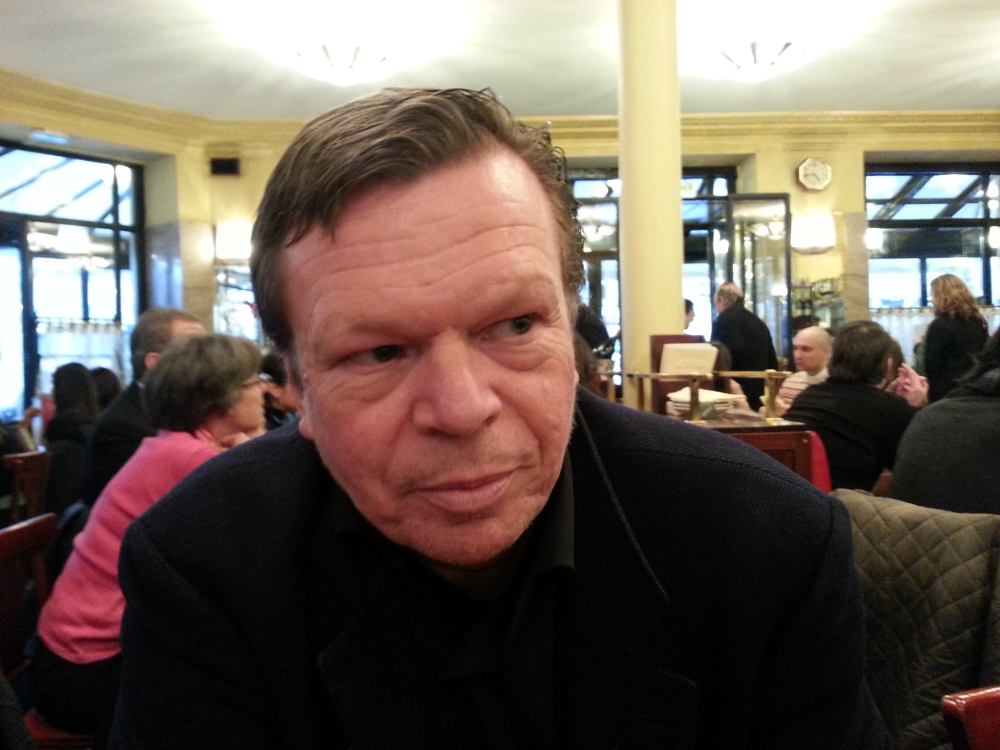
Peter is founder of the Heroine’s Journey and Hero’s Journey project where worldwide thousands of professionals shared their story of making money doing what you love. He wrote 50+ books. Peter has an MBA in Marketing, MBA in Financial Economics and graduated at university in Sociology and Communication Sciences.
 The Power of Your Story